
Whoa! I was poking around Solana the other night, curious and a little skeptical. The network moves fast and things don’t always add up at first glance. Initially I thought explorers were just UI toys, but then I realized they’re the plumbing — the low-level tools that tell you who did what, when, and how much, and if you ignore them you miss how value actually flows on-chain. This matters when you’re chasing airdrops or vetting a token, because names and tweets can lie while the ledger does not.
Seriously? Yep — and somethin’ about seeing a raw transaction makes you reconsider narratives. I clicked through a few addresses and noticed repeated patterns that naive dashboards hide. On one hand block explorers like the default Solana explorer surface essential data, though actually they can be slow or omit niceties like token metadata histories, while third-party tools fill gaps but sometimes introduce their own biases. My instinct said use multiple sources and cross-check before trusting a single summary.
Hmm… There are trade-offs between raw data fidelity and user-friendly summaries that newcomers need. Check this out—some explorers add analytics, some add wallet labeling, and others try to monetize deeper insights. I tested tools that promised real-time tracing and found that while the interfaces impressed, behind the scenes some relied on heuristics that can misattribute activity, which felt off when dealing with mixers or complex program-derived-address interactions. I’m biased toward transparency and open-source tooling, so this part bugs me.
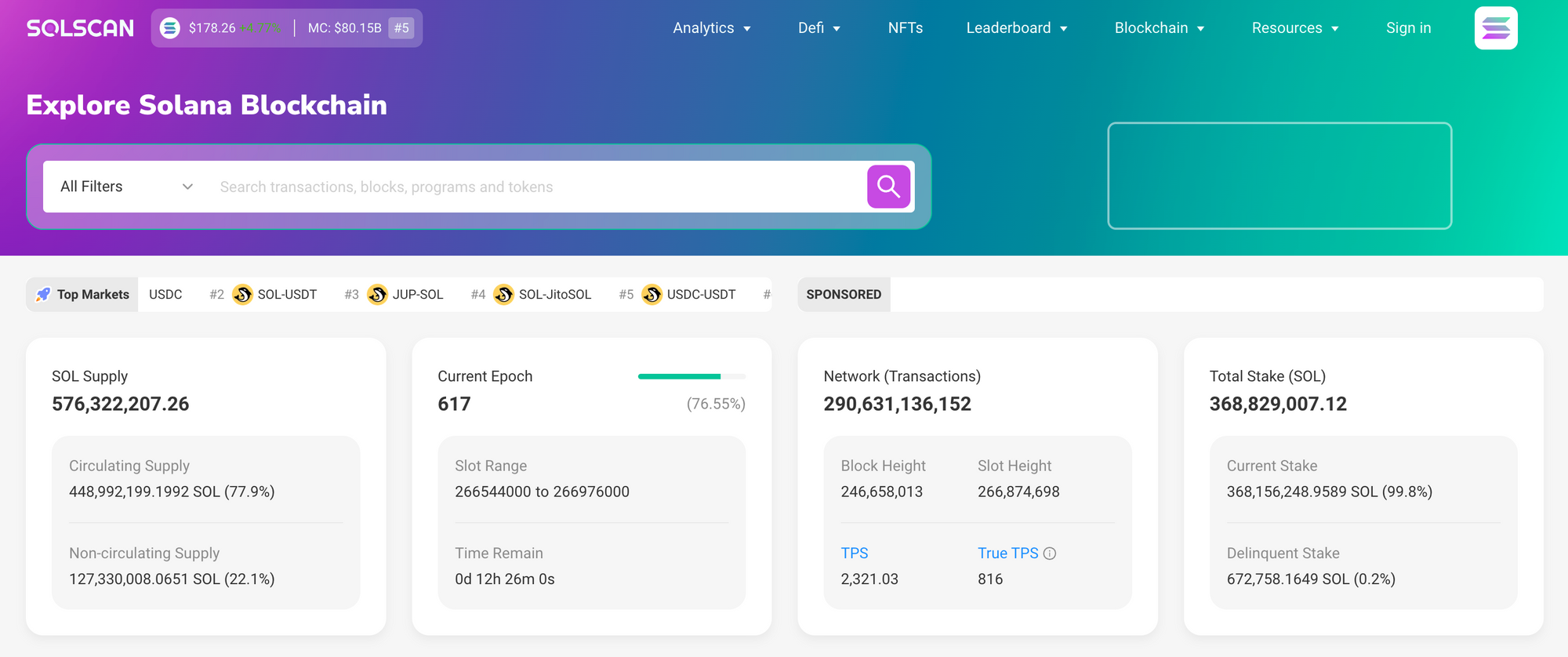
Wow! If you’re building on Solana or just trading, you need an explorer that balances speed, depth, and accuracy. Solscan often hits that sweet spot by combining a clean UI with deep transaction detail and active indexing. Initially I thought it was just prettier than most, but I came to appreciate its pragmatic features like transaction decoding, token history, and program trace that help you separate airdrop noise from real flows, especially when diagnosing failed instructions or partial refunds. It doesn’t replace the official Solana explorer for some edge cases, though actually it complements it by surfacing user-friendly labels and additional search filters.
Where to start
Here’s the thing. If you want a practical balance between clarity and depth, try exploring transactions with a tool that labels addresses and decodes instructions. A good place to start is the solscan explorer, which I link to deliberately because it’s often up-to-date and useful for both devs and traders. While the official Solana explorer is authoritative for consensus-level state, many third-party explorers accelerate workflows by pre-indexing complex interactions across programs and rendering them into readable timelines, which is indispensable when you need to quickly triage an incident or prepare evidence for a dispute. Try both and see what fits your habits.
Really? Yeah—it also offers quick searches, CSV exports, and dashboards that save time when you’re auditing many wallets. I use it when debugging token mints or when tracking liquidity pool behavior after large trades. Okay, so check this out—if you want more confidence, confirm suspicious activity by copying a transaction hash and comparing results across explorers (oh, and by the way, that habit saved me more than once). It’s worth bookmarking and making part of your daily routine, especially during volatile markets.
Whoa! What’s the difference between Solana’s official explorer and third-party tools? In short: official explorers show base ledger state, while third-party explorers add indexes, labels, and UX conveniences. On one hand the official tool is closer to raw consensus data, and on the other many third-party services provide faster search and analytics that digest that raw data into human-friendly timelines or aggregated views, though you should always be mindful of their heuristics. Use both.
FAQ
Can explorers be trusted for audits?
They help a lot, but don’t blindly trust any single view. Initially I thought a single detailed report would suffice, but then realized cross-checking hashes, timestamps, and program logs is very very important. For formal audits you’ll want on-chain evidence plus exported CSVs and preferably signatures from multiple independent indexes.
Which features should I prioritize?
Look for clear instruction decoding, token history, and wallet labeling. I’m not 100% sure what every team values most, but for most devs and traders those three features cut the usual investigation time in half. Also, prefer tools with active updates and transparent indexing docs.
How do I stay safe from fake explorers?
Always verify the URL, check the TLS certificate, and consult community threads before clicking unknown links. If something smells off—layout changes, weird popups, or odd domain names—stop, breathe, and validate the transaction hash on an official source. Muscle memory helps: copy a tx hash and paste it into a trusted explorer rather than following a link.
Отправить ответ
Для отправки комментария вам необходимо авторизоваться.